Blog
Why Vertical Lift Module Price Quotes Often Miss Hidden Costs
Many buyers compare a vertical lift module price quote at face value, only to discover later that installation, software, customization, maintenance, and training can significantly raise the total cost. Whether you are evaluating a vertical lift module for warehouse use or comparing offers from a vertical lift module supplier, vertical lift module manufacturer, vertical carousel supplier, or vertical carousel manufacturer, understanding these hidden costs is essential for making a smart investment.
In automated storage and retrieval projects, the initial equipment figure is only one part of the budget. For procurement teams, technical evaluators, operators, and business decision-makers, the more useful question is not “What is the quoted price?” but “What will the system actually cost over 3 to 7 years?” That distinction often determines whether the project meets ROI expectations or creates avoidable operational pressure.
A vertical lift module can improve floor-space utilization, picking accuracy, and operator ergonomics, but cost visibility varies widely from supplier to supplier. Some quotations cover only the base machine, while others include commissioning, safety devices, software interfaces, and after-sales support. This article breaks down the hidden costs that often sit outside the first quote and explains how to compare offers more accurately.
What a Vertical Lift Module Quote Usually Includes—and What It Often Leaves Out
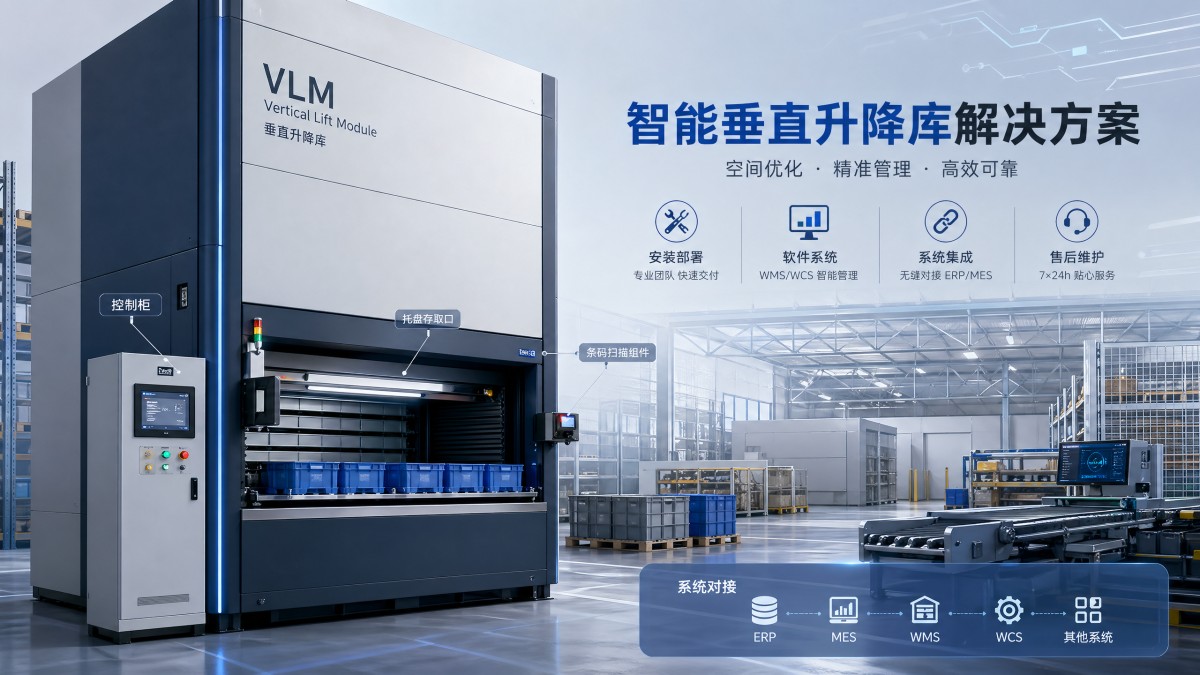
Most vertical lift module price quotes start with the core hardware: the cabinet, trays, extractor, control unit, and standard safety features. In many cases, this base configuration accounts for only 55% to 75% of the eventual project budget. Buyers who compare quotations line by line without defining scope often believe they are reviewing equivalent offers when they are not.
The first hidden issue is scope definition. One supplier may quote equipment ex works, while another includes on-site installation, electrical hookup guidance, and basic operator training. A lower number can therefore be misleading. In automation equipment purchasing, a 10% lower machine price can still become a 15% to 25% higher total ownership cost after add-ons are included.
Another common gap involves software layers. Standard machine control may be included, but inventory management modules, ERP/WMS interfaces, barcode integration, user permission settings, and reporting functions may be extra. These software-related items are frequently postponed until the implementation phase, when budget flexibility is already limited.
Customization also changes the cost structure. If your operation requires non-standard tray sizes, partitioning, anti-static handling, cleanroom compatibility, or higher load ratings such as 500 kg to 1,000 kg per tray, the quote may shift considerably. These changes affect not only component cost but also design lead time, testing, and installation planning.
Commonly included vs commonly excluded items
The table below shows how vertical lift module quotes are often structured in real purchasing discussions. It helps procurement and engineering teams identify where additional costs may appear after the first commercial proposal.
The key takeaway is simple: a quote is only comparable when the project boundary is comparable. Before reviewing price, buyers should request a detailed inclusions and exclusions list with at least 10 to 15 defined line items. That step alone reduces the risk of hidden-cost surprises later in the project.
Installation, Site Preparation, and Integration Costs That Shift the Budget
Installation is one of the most underestimated expenses in automated storage equipment. A vertical lift module may arrive as a technically complete machine, but the site still needs suitable floor conditions, ceiling clearance, electrical supply, and safe operating access. In older warehouse buildings, these requirements often trigger unplanned upgrades.
Ceiling height is a frequent issue. Buyers may select a machine height of 7 meters, 10 meters, or even 15 meters to maximize storage density, only to later discover fire suppression, lighting, ducting, or mezzanine obstacles. Modifying building services or reducing equipment height can affect both cost and storage performance. Neither outcome is ideal when the change happens after order confirmation.
Electrical and data integration also add cost. Standard supply requirements may be straightforward, but linking the machine to scanners, printers, conveyor lines, or a warehouse management system can require additional I/O modules, cabling, and engineering hours. Depending on system complexity, integration work may take 2 to 6 weeks beyond mechanical installation.
From a business perspective, downtime during installation matters too. If a site must stop picking in one area for 3 to 5 days, the indirect cost can be significant. For distributors, manufacturers, and high-mix spare parts operations, lost throughput during transition should be considered part of the total project budget, even if it does not appear in the supplier’s quotation.
Typical site-related hidden cost areas
Use this checklist to estimate where implementation costs may increase beyond the machine price. It is especially useful during technical and commercial alignment meetings.
- Floor evaluation for static and dynamic load, especially when tray payloads exceed 300 kg or total system mass is high.
- Ceiling and obstruction review, including sprinklers, cable trays, HVAC ducts, and crane paths.
- Power supply preparation, typically involving voltage confirmation, circuit protection, and emergency stop wiring.
- Network and software connection planning for ERP, WMS, barcode readers, label printers, or access control.
- Material handling support such as forklifts, cranes, rigging, or temporary storage during installation.
How long do these steps usually take?
For a standard single-unit installation, site preparation may take 3 to 10 working days, while mechanical erection and commissioning may take another 2 to 7 days. Software integration can extend the schedule if data mapping, test scripts, or multi-user permissions are involved. This timeline matters because late-stage changes often increase labor cost and delay operational payback.
When reviewing a proposal, it is reasonable to ask for a phased implementation plan. Some buyers also review general solution references such as 无 to understand how equipment scope and project scope may differ, but the final decision should still be based on a detailed site survey and written responsibilities matrix.
Software, Customization, and Operational Requirements That Increase Total Cost
For many facilities, the value of a vertical lift module is not just storage density but digital control. That is why software is one of the most important hidden-cost categories. A machine can operate in standalone mode, but once the business requires SKU traceability, batch tracking, pick confirmation, or integration with existing systems, software complexity rises quickly.
A simple user interface may be included in the standard quote, but advanced needs often are not. Examples include integration with ERP or MES, dynamic slotting logic, user-level permissions, inventory accuracy reporting, and cycle count support. In practice, software-related additions can represent 8% to 20% of the full project cost depending on the number of interfaces and operational rules required.
Customization on the physical side is equally important. Operations handling electronics, medical components, tooling, or maintenance spare parts may need anti-static trays, dividers, bins, locking systems, or light-assisted picking modules. Each option may look minor on paper, but combined changes often affect lead time by 2 to 4 weeks and alter operator workflow.
This is where technical teams and operators should work together. A lower-cost configuration may save budget upfront but create slower picking, poor traceability, or more frequent operator errors. When thousands of picks occur per week, small workflow inefficiencies can outweigh the savings from a simplified initial quote.
Examples of configuration choices and their cost impact
The table below compares common configuration decisions and why they often change the final investment level.
The important point is that “optional” does not always mean unnecessary. In many automated storage applications, these additions are what turn a storage machine into a productivity tool. Buyers should therefore separate “nice to have” features from “workflow-critical” features before requesting final pricing.
Maintenance, Training, and Lifecycle Costs Beyond the Purchase Order
The total cost of ownership of a vertical lift module extends well beyond delivery and startup. Preventive maintenance, spare parts strategy, software support, and workforce training all influence long-term value. A low first-year purchase cost can become less attractive if service response is slow or if internal teams are not trained to use the equipment efficiently.
Preventive maintenance intervals vary by usage, but many operations review the system every 6 or 12 months depending on cycle volume. Sites running multi-shift operations or handling heavy loads typically need closer attention. Service packages may include inspections, wear-part replacement, software backup checks, and remote diagnostics, while pay-as-needed support often leaves budgeting uncertain.
Training is another overlooked item. A supplier may include a 2-hour startup briefing for one supervisor, but that is rarely enough for a warehouse with 2 or 3 shifts. Operators need routine usage training, administrators need inventory and access management training, and maintenance staff need alarm handling guidance. Without structured onboarding, the system may never reach expected throughput or accuracy levels.
Spare parts planning matters as well. Components such as sensors, drive elements, safety devices, or touch panels may not fail often, but lead times can range from a few days to several weeks depending on region and configuration. If the system supports critical parts fulfillment, even a short interruption can create expensive service-level issues for the business.
Lifecycle cost factors buyers should request in writing
To compare suppliers fairly, ask each one to define the support framework for the first 12 to 36 months. The following points help convert a basic quote into a real lifecycle estimate.
- Preventive maintenance frequency, scope, and whether travel costs are included.
- Recommended spare parts list with critical vs non-critical categories.
- Training scope by role: operator, supervisor, administrator, and maintenance technician.
- Remote support availability, response times, and escalation process.
- Software update policy, license duration, and interface support terms.
A practical cost-control method
A useful method is to evaluate cost in three layers: acquisition cost, implementation cost, and 3-year operating cost. Even if the machine quote appears competitive, the total picture may change when annual service, extra training, and software support are added. This is especially relevant when comparing a vertical lift module with a vertical carousel or another automated storage solution.
If commercial teams want a more disciplined buying framework, they should request a side-by-side cost sheet from each supplier with at least 12 categories. That approach usually reveals whether the lower number reflects real efficiency or simply a narrower quotation scope.
How to Compare Quotes Accurately and Reduce Hidden-Cost Risk
The best way to avoid hidden costs is to standardize the bidding process before quotations are finalized. Instead of asking each supplier to quote loosely based on a short description, provide a clear requirement sheet covering load range, number of SKUs, tray configuration, integration needs, shift pattern, and expected daily picks. Better input usually leads to more realistic pricing.
A strong procurement review should involve at least five perspectives: operations, maintenance, IT, finance, and management. Operators understand workflow friction, IT understands integration effort, and finance can evaluate lifecycle cost. When only one department drives the decision, hidden costs are more likely to remain invisible until after contract award.
It is also wise to ask suppliers to specify assumptions in writing. For example, how many training sessions are included? Is unloading included? Are travel and accommodation included for commissioning engineers? Are barcode readers, partitions, and labeling systems excluded? Questions like these may look small, but together they often account for a meaningful portion of the total budget.
Buyers comparing offers from a vertical lift module supplier, vertical lift module manufacturer, or alternative automated storage vendor should avoid treating all “base prices” as equal. A technically complete, installation-ready, software-integrated quote can be the better commercial choice even if the initial equipment figure is higher by 8% to 12%.
A practical quote comparison framework
The table below provides a simple structure procurement teams can use during supplier evaluation meetings.
When buyers use this structure, quote evaluation becomes more transparent and easier to defend internally. It also improves discussions with distributors, end users, and enterprise decision-makers because the conversation shifts from headline price to operational value and risk control.
FAQ
How much of the final budget can hidden costs represent?
In many automation projects, hidden or separately quoted items can add 15% to 35% beyond the base equipment price. The exact figure depends on software integration depth, building readiness, customization level, and support expectations.
Is a lower quote always a better buying opportunity?
Not necessarily. A lower quote may exclude installation labor, travel, interfaces, training, or tray accessories. The better opportunity is usually the quote with the clearest scope and the best lifecycle fit for your operation.
What should operators and technical users check before purchase?
They should verify tray access height, pick ergonomics, scan workflow, alarm handling, maintenance access, and whether the control interface matches daily operating needs. These factors affect real productivity more than many buyers expect.
How long does a typical project take from order to go-live?
For a standard project, manufacturing and delivery may take 6 to 12 weeks, while site preparation, installation, and commissioning may add 1 to 3 weeks. Integrated projects with software interfaces can take longer depending on IT coordination and testing depth.
A vertical lift module price quote is only useful when it reflects the full operating reality of your site. Equipment price, installation, software, customization, maintenance, and training all shape the actual investment and long-term return. For warehouses, spare parts centers, industrial distributors, and manufacturing facilities, the smartest decision comes from comparing total scope rather than headline cost alone.
If you are reviewing automation equipment proposals and want a clearer picture of hidden costs, now is the right time to request a detailed scope checklist, lifecycle support breakdown, and project-specific cost comparison. Contact us to discuss your application, get a tailored evaluation framework, and explore a more reliable path to automated storage investment.
Contact us