
Blog
Why Vertical Carousel Price Varies So Much for Similar Capacities
Why does vertical carousel price differ so much even when capacities look similar? For buyers comparing a vertical carousel supplier or vertical carousel manufacturer, the answer often lies in structure, software, safety, speed, and long-term service value. This guide explains what really affects cost and how a vertical lift module supplier helps warehouses choose the right system without overpaying.
What really changes the price when storage capacity looks almost the same?
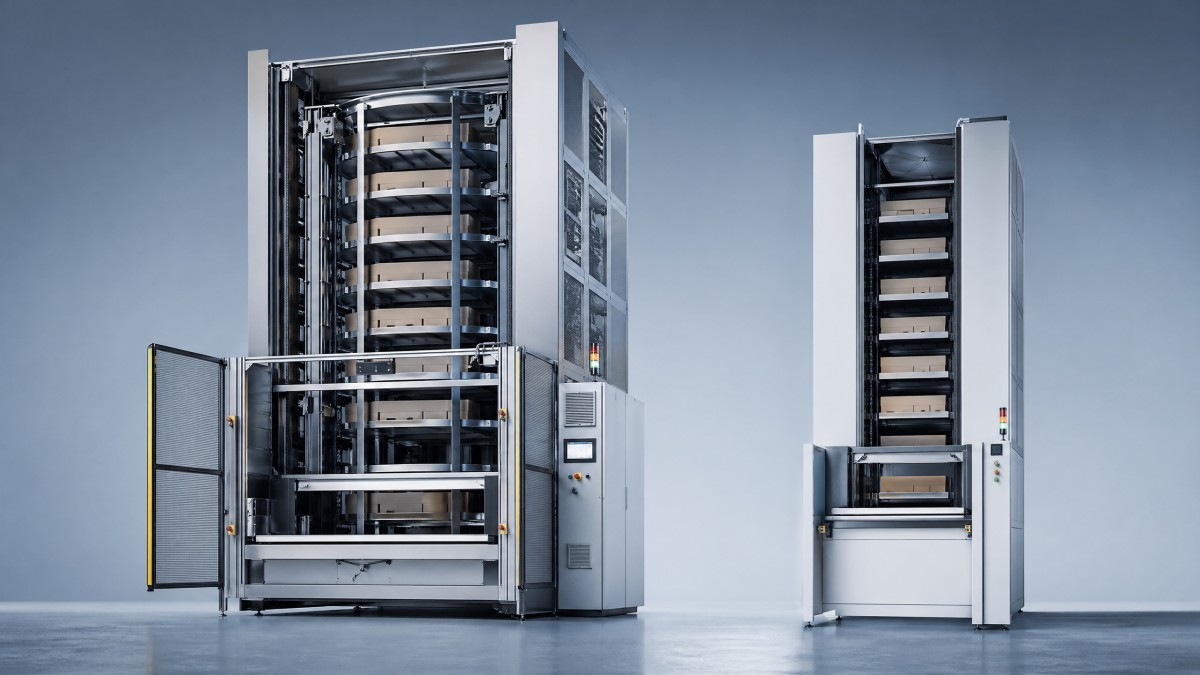
In automated equipment projects, similar capacity does not mean similar machine value. Two vertical carousel systems may both offer a comparable tray count or cubic storage volume, yet one can cost noticeably more because the internal drive architecture, tray positioning accuracy, access speed, and control logic are built for very different operating demands. Capacity is only one purchasing indicator, usually not the decisive one.
A low-duty machine designed for 1 shift per day, moderate pick frequency, and light components is not engineered the same way as a unit expected to run 16–20 hours, support denser inventory, and integrate with warehouse software. Buyers often compare only height, width, payload, or number of carriers. That approach misses the cost drivers hidden inside the mechanical frame, chain or belt system, sensors, electrical cabinet, and service package.
This is why a vertical carousel supplier usually asks about SKU count, daily picks, item dimensions, shift pattern, and required throughput before quoting. For a technical evaluator, the key issue is not “How much can it hold?” but “How reliably can it hold, retrieve, and protect inventory over 3–5 years of actual use?” The better question improves both budgeting and supplier comparison.
In practice, pricing differences often come from 5 core layers: mechanical design, controls and software, safety configuration, performance level, and after-sales support. These layers affect not only initial cost, but also downtime risk, operator efficiency, spare parts planning, and future expansion options. That is why two quotations with a similar footprint can lead to very different total cost outcomes.
The most common hidden cost drivers
- Drive and lifting components rated for different duty cycles, such as occasional picking versus continuous operation across 2 or 3 shifts.
- Control systems with basic standalone functions versus PLC-based logic, barcode support, ERP/WMS interface readiness, or user-level permissions.
- Safety scope differences, including door interlocks, light curtains, overload sensing, emergency stop layout, and operator access control.
- Installation and service coverage, such as on-site commissioning, operator training, preventive maintenance intervals, and spare part lead times of 7–15 days versus longer sourcing windows.
Which technical specifications create the biggest price gap?
For technical teams, the price gap usually starts with mechanical rating. A machine built for lighter loads may use a simpler frame, lower motor reserve, and more basic tray guidance. A heavier-duty model often includes stronger structural sections, more precise alignment, upgraded bearings, and enhanced vibration control. These differences are not cosmetic. They directly influence operating stability, maintenance frequency, and service life under repetitive loading.
Speed also matters. A vertical carousel designed for lower pick intensity may be acceptable for archived files, maintenance spares, or slow-moving parts. But in production supply or e-commerce support, response time becomes a cost factor. Systems configured for faster retrieval typically need better motors, more responsive sensors, refined control tuning, and safer operator-area management. That can raise capital cost while lowering labor waste.
Software is another major separator. Basic units can run with local controls only. More advanced systems may include inventory location logic, batch picking support, pick-to-light options, audit trail, role-based login, and interface preparation for ERP or WMS platforms. Even when the cabinet dimensions and storage volume look equal, software maturity can change the business value significantly for procurement managers and decision-makers.
A vertical carousel manufacturer may also price differently based on compliance scope and electrical standards. Voltage adaptation, local guarding expectations, documentation language, and site-specific risk reduction measures can all affect engineering hours. For distributors or system integrators, these customization layers often explain why a “same capacity” machine costs more in one project than in another.
Technical comparison buyers should request
Before comparing offers from any vertical carousel supplier, ask each vendor to break down the system by load class, duty cycle, speed expectation, control features, and included safety devices. The table below shows how similar-capacity systems can diverge in practical engineering value.
This comparison shows why a quotation based only on storage volume is incomplete. Procurement teams should convert technical details into operational impact: fewer stoppages, lower picking error risk, smoother training, and clearer expansion potential. In many facilities, those factors matter more than a narrow upfront price difference.
A note on product references during evaluation
If a supplier inserts a generic or placeholder product reference during early communication, buyers should still verify the full bill of scope. For example, a preliminary item may appear as 无, but the decision should rely on actual load ratings, software scope, installation terms, and service commitments rather than a label alone.
How do software, safety, and service change total cost?
Many buyers focus on machine hardware first, but long-term value often depends on software and service. In an automated equipment environment, a system that stores parts correctly but slows down retrieval, lacks user control, or offers weak fault diagnostics may cost less at purchase and more during operation. That is especially true where multiple operators work across each week and inventory accuracy matters.
Safety configuration can also widen the price range. A warehouse storing tools or consumer items may need basic access control. A plant supplying sharp metal parts, electrical components, or sensitive assemblies may require broader protection measures. Compliance expectations differ by region and application, but risk assessment commonly reviews emergency stop coverage, moving-area isolation, overload warning, and operator interaction during access cycles.
Service value is where low quotations often become expensive later. Ask about remote support response, preventive maintenance recommendations every 6 or 12 months, availability of wear parts, and whether commissioning is included. A vertical lift module supplier with practical service capability can reduce troubleshooting time, improve staff confidence, and help avoid extended stoppages when the system becomes a core storage point.
For business evaluators and enterprise decision-makers, total cost should include at least 4 layers: purchase, installation, training, and operating support. If one offer includes startup assistance, operating parameter confirmation, and spare parts guidance while another excludes them, the price difference is not simply markup. It reflects project risk allocation.
Where lifecycle cost usually appears
The table below helps compare cost drivers that are often hidden behind a basic machine price. This is especially useful when reviewing proposals from more than 2 or 3 vertical carousel manufacturer candidates.
A more complete offer can be the lower-risk choice when the vertical carousel will support frequent picking, controlled inventory, or multiple departments. This is why careful buyers compare not just price, but support scope over the first 12–24 months of use.
A practical review checklist
- Confirm daily pick volume and operating shifts before asking for a final quote.
- Separate standard functions from optional software, guarding, and interface items.
- Check commissioning, training, and preventive maintenance scope in writing.
- Ask how the supplier handles common wear parts and support over the next 1–3 years.
How should buyers compare quotes without overpaying?
The best way to compare vertical carousel price is to standardize the request. Give every supplier the same 6 key inputs: item size range, item weight range, number of SKUs, daily retrieval frequency, shift pattern, and software expectations. Without a matched request, quotations reflect different assumptions, and the lower price may be based on a lighter or less complete machine than your operation actually needs.
Procurement staff should also separate “must-have” features from “good-to-have” options. For example, a site needing operator accountability and inventory visibility may require login control and transaction records from day one. A small spare-parts room may not. By grouping requirements into core, optional, and future phases, buyers can control budget without removing the features that protect operations.
For distributors, agents, and decision-makers handling several projects, a supplier’s engineering response quality is a price signal too. A serious vertical carousel supplier typically asks detailed questions, clarifies risks, and explains what is included in 3 or 4 implementation stages. A weak proposal often stays generic, making later changes more likely and more expensive.
It is also wise to compare alternatives beyond the machine itself. In some cases, a vertical carousel competes with shelving, drawer cabinets, or a vertical lift approach. Similar capacity can produce different labor patterns, floor-space use, and operator ergonomics. The right benchmark is not only purchase price, but cost per usable pick position and process stability in your actual workflow.
Quote comparison criteria that reduce procurement risk
- Use the same technical brief for every bidder, including load range, pick frequency, and operating hours.
- Request a line-by-line scope sheet covering hardware, software, safety, installation, and training.
- Compare lead times realistically. Standard projects may move in 4–8 weeks, while customized controls or compliance changes can extend the schedule.
- Review after-sales terms, especially remote diagnostics, spare part planning, and response route for downtime events.
Common mistakes during price evaluation
One common mistake is assuming every vertical carousel manufacturer defines “capacity” the same way. Some buyers compare gross storage volume while ignoring tray usable height, payload distribution, or restrictions created by product dimensions. Another mistake is treating software as an extra afterthought, even though system usability often determines operator acceptance and picking discipline in the first 30–90 days.
A second mistake is accepting a broad product reference without clarifying real configuration. If a draft proposal mentions 无, that should trigger a scope review rather than a quick price judgment. Smart buyers ask for access opening details, control language, power requirements, safety logic, and service inclusions before making a cost comparison final.
FAQ: what do buyers, operators, and decision-makers ask most often?
How can two systems with the same capacity serve very different operations?
Because capacity only describes how much can be stored, not how the machine performs. One system may be suitable for low-frequency archived materials, while another is built for repeated retrieval through 2 shifts, stricter accuracy, and broader software control. The cost difference usually reflects duty cycle, safety level, and integration requirements rather than simple storage size.
What should operators care about beyond price?
Operators should focus on access convenience, response time, interface clarity, and fault recovery. If picking tasks occur every hour, poor screen logic or slow retrieval can create daily friction. Practical details such as ergonomic access height, clear alarms, and straightforward training often matter more to users than a lower purchase price.
What is a reasonable implementation path for a new project?
A common project flow has 4 stages: requirement confirmation, technical proposal, installation and commissioning, then operator training and acceptance. Depending on complexity, standard deployments may move within several weeks, while custom controls, software interfaces, or site preparation can extend timing. Asking for this sequence early helps avoid unrealistic procurement expectations.
When is a higher-priced system actually the better decision?
When the operation depends on frequent access, inventory traceability, multiple users, stricter safety control, or planned software integration. In those cases, the higher quote may reduce labor loss, support inventory discipline, and lower interruption risk over 12–36 months. The evaluation should connect price to workflow impact, not treat cost as an isolated number.
Why choose us when evaluating a vertical carousel supplier?
If you are comparing vertical carousel price for similar capacities, we can help you move beyond surface numbers and evaluate the machine as an automated equipment solution. Our approach focuses on requirement clarity first: item profile, throughput, user workflow, safety expectation, installation conditions, and future system growth. That makes quotation review more accurate and more useful for both technical and commercial teams.
We support practical discussions around 5 critical topics: parameter confirmation, configuration selection, delivery timing, customization scope, and operating support. Whether you are an information researcher, operator, technical evaluator, purchaser, distributor, or enterprise decision-maker, the goal is the same: choose a vertical carousel manufacturer or vertical lift module supplier that matches actual use instead of paying for the wrong features or missing the ones that matter.
You can contact us to review tray load assumptions, access frequency, software expectations, local power and safety requirements, and standard versus optional scope. We can also help structure quote comparison sheets, discuss typical lead-time ranges, and identify where low upfront price may create higher service cost later. This shortens the decision cycle and improves procurement confidence.
If your team is preparing a project, send the basic application details and expected timeline. We can help with model screening, configuration review, delivery planning, and quotation communication so you can make a grounded purchasing decision based on operational value, not just headline price.
Contact us