
Blog
Vertical Carousel Supplier Red Flags That Show Up After Installation
Choosing a vertical carousel supplier or vertical lift module supplier can look straightforward on paper, but the real warning signs often appear only after installation. From hidden service gaps to unexpected vertical carousel price and vertical lift module price issues, buyers may discover problems that affect uptime, safety, and ROI. This guide helps warehouse operators, engineers, and procurement teams spot the post-installation red flags tied to any vertical carousel manufacturer or vertical lift module manufacturer.
Why do supplier problems surface only after commissioning?
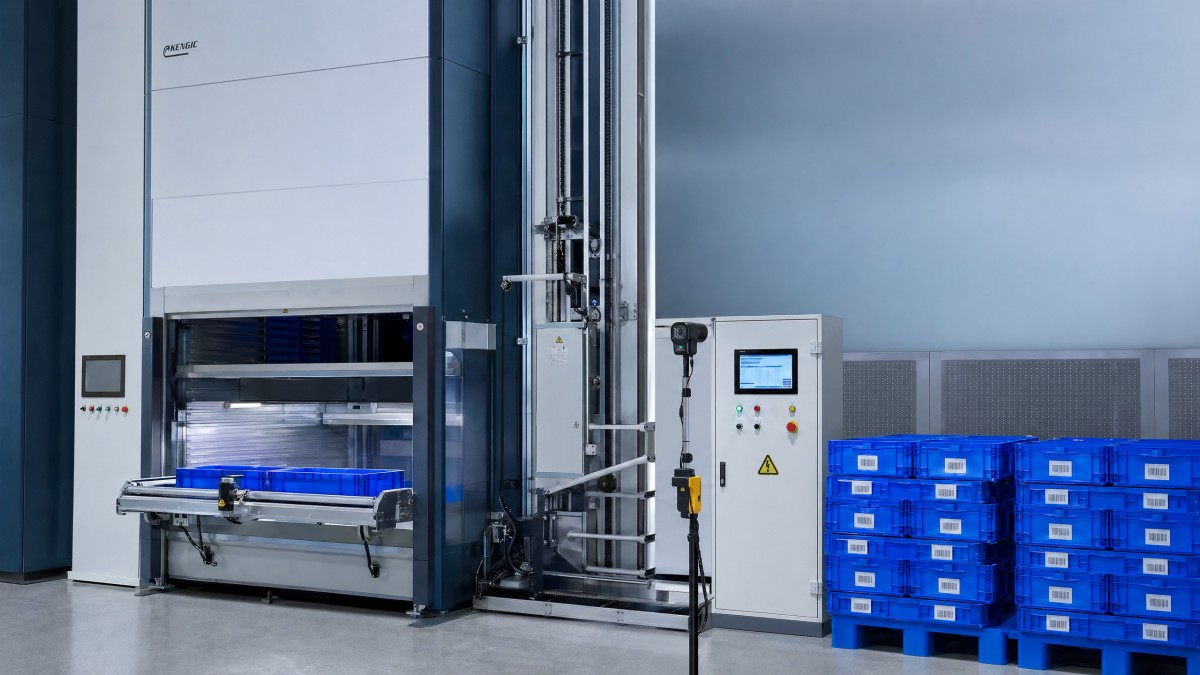
In automated storage equipment, the purchase decision often focuses on specifications, footprint, and initial quotation. The hidden risks usually emerge during the first 30–90 days of operation, when the machine starts facing real picking frequency, real SKU diversity, and real operator behavior. That is when a weak vertical carousel supplier or vertical lift module supplier becomes visible.
Before installation, many proposals look similar: comparable tray loads, similar machine height ranges, and attractive software promises. After installation, however, the operational layer tells a different story. Retrieval delays, unstable tray positioning, confusing interface logic, and unresolved alarm codes can turn a theoretically efficient system into a daily bottleneck.
For technical evaluators and procurement teams, the key lesson is simple: post-installation performance is not just about equipment design. It is the result of 4 linked factors—mechanical reliability, control integration, service responsiveness, and application fit. A gap in any one of these areas can damage uptime, labor efficiency, and return on investment.
This is especially true in automation equipment projects where throughput targets may vary from low-volume spare-parts storage to medium or high-frequency order fulfillment. A system that works acceptably at 20 retrieval cycles per hour may struggle at 60 or more if the supplier did not size the machine, software, or support process correctly.
Common reasons the warning signs are delayed
- Factory acceptance tests are often narrower than live operating conditions and may not reflect multi-shift use, varied bin loads, or ERP/WMS transaction peaks.
- Some suppliers quote equipment pricing clearly but leave training scope, spare parts planning, and preventive maintenance intervals loosely defined.
- Commissioning teams may resolve start-up issues manually, which hides structural design or software weaknesses until the site begins normal operation.
- Buyers sometimes compare vertical carousel price or vertical lift module price without assigning equal weight to service lead time, controls support, and long-term parts availability.
Which post-installation red flags matter most in daily warehouse use?
The most damaging red flags are not always dramatic breakdowns. In many facilities, the real cost comes from recurring small failures: a tray that indexes slowly, a sensor that needs frequent resetting, or a user interface that causes repeated operator mistakes. Over 8–12 weeks, these issues can add labor minutes to every transaction and reduce confidence in the automation system.
Operators usually notice these problems first. If access openings are poorly positioned, pick confirmation steps are unclear, or alarms require specialist intervention for simple resets, the machine becomes harder to use than expected. This creates resistance on the floor, even when the original business case promised labor savings and ergonomic improvement.
Engineers and maintenance teams see another side of the problem. If spare parts are not locally available within a practical 24–72 hour window, a minor component fault can become a long downtime event. When the vertical carousel manufacturer or vertical lift module manufacturer has weak after-sales structure, maintenance teams are forced into reactive workarounds instead of controlled maintenance planning.
Procurement and business evaluators then feel the financial impact. What looked like a competitive acquisition cost may become less attractive after emergency service fees, extra operator hours, software patch requests, and delayed throughput gains are added to the total cost of ownership.
A practical red-flag checklist after go-live
The table below helps teams evaluate what they are seeing on-site. It is useful during the first 2–4 weeks after commissioning and again after the first quarter of operation.
A single issue does not always mean the supplier is weak. But if 3 or more of these signs appear in the first operating cycle, buyers should review the supplier’s support commitment, escalation process, and original application assumptions immediately.
What operators and maintenance staff should record
- Alarm frequency by shift and whether faults are recurring in the same zone, tray family, or load pattern.
- Average retrieval time during morning peak, mid-shift steady state, and end-of-day batch picking.
- Number of manual interventions per day, including door resets, tray recovery, and software restarts.
- Training gaps, especially if new operators need more than 1–2 sessions to perform routine tasks safely.
How do hidden cost issues appear after installation?
A low quoted vertical carousel price or vertical lift module price is not automatically a good value. In automation equipment, the installed cost is only the starting point. The more meaningful figure is lifecycle cost over 3–5 years, including service visits, wear parts, software changes, training refreshers, and downtime exposure.
Many buyers discover hidden cost layers only after handover. These may include paid remote diagnostics, non-included PLC modifications, annual license fees, or travel charges for specialist service engineers. None of these items are necessarily unreasonable, but they become red flags when the quotation and technical clarification stage did not present them clearly.
Another issue appears when the supplier underestimates site requirements. If floor preparation, power conditioning, access clearance, fire strategy coordination, or interface testing require rework, the project budget can shift quickly. In some cases, the machine itself is not the problem; weak pre-sales engineering is.
Decision-makers should therefore compare not only purchase price but also 5 cost categories: installation scope, training scope, software scope, service response structure, and spare-parts strategy. This is where strong suppliers separate themselves from quotation-driven sellers.
Where total cost of ownership usually expands
Use the following matrix when evaluating whether a supplier’s commercial offer remains sound after installation. It is especially useful for procurement, finance review, and distributor assessment.
If a proposal is significantly below market expectations, buyers should ask whether the low price reflects a genuine scope advantage or simply pushes cost into later phases. That question often reveals more than the headline quote itself.
A useful 5-point commercial review
- Confirm what happens during the first 7–30 days after handover and whether support is included or billed separately.
- Check whether software modifications are fixed-scope, hourly billed, or excluded entirely.
- Ask for a preventive maintenance schedule by month, quarter, and year rather than a generic service promise.
- Review the recommended spare parts package and delivery lead time for critical components.
- Evaluate whether distributor or agent support is authorized and technically capable, especially across multiple regions.
What should technical and procurement teams verify before selecting a supplier?
A better supplier evaluation process starts by recognizing that automation equipment should be assessed as a working system, not a standalone machine. That means comparing mechanical design, controls architecture, service infrastructure, and implementation method together. A polished brochure from a vertical carousel manufacturer does not replace a hard review of post-installation support capability.
For technical teams, the first check is application fit. Tray load, opening height, machine height, and retrieval logic must match the SKU profile and access pattern. For example, slow-moving MRO parts, regulated components, and high-mix small-item picking each place different demands on the equipment and software flow.
For procurement, the next check is scope clarity. Ask for the service boundary in writing: who handles site readiness, control interfaces, SAT criteria, training depth, and fault escalation? A supplier that cannot define these 6 areas clearly before contract signature may create confusion later.
Business evaluators and decision-makers should also look at adoption risk. Even a technically acceptable machine can fail commercially if operators avoid it, maintenance teams cannot support it, or expansion options are limited within 12–24 months.
Supplier selection points that reduce post-installation surprises
- Request a documented implementation flow with at least 4 stages: requirement review, layout and interface confirmation, commissioning, and post-go-live stabilization.
- Review alarm handling logic and remote support method before purchase, not after the first breakdown.
- Ask how quickly critical parts can be supplied locally and which items should be stocked on-site from day one.
- Verify training materials for operators, supervisors, and maintenance staff separately because each user group needs different depth.
- Confirm whether the supplier can support future software connection changes if your WMS, ERP, or picking method evolves.
How compliance and safety fit into the decision
In automation projects, safety and compliance are often discussed early and then forgotten once the machine starts running. That is a mistake. Buyers should verify whether safeguarding, emergency stop logic, documentation, electrical design practice, and operator access procedures are suitable for the site’s actual use pattern.
Without inventing brand-specific claims, it is reasonable to ask suppliers how they align with common industrial expectations for machine safety, electrical documentation, and acceptance testing. The right answer should be practical and project-specific, not vague. If useful during your research, you may compare proposals alongside reference materials such as 无 to structure internal discussions, but final judgments should always rest on clear technical scope and service capability.
This point matters even more for distributors, agents, and resellers. If local technical backup is weak, compliance paperwork may exist, yet field execution can still be poor. Post-installation quality depends on the handoff between manufacturer, channel partner, and site team.
FAQ: what do buyers, users, and decision-makers ask most often?
The questions below reflect common concerns from information researchers, operators, technical evaluators, procurement teams, and enterprise decision-makers. They also help search users compare a vertical carousel supplier or vertical lift module supplier more effectively.
How long does it usually take to know whether the installation was successful?
Initial acceptance may happen in a few days, but real evaluation usually needs 2–8 weeks of live operation. That period should include normal picking patterns, busy-hour demand, shift changes, and basic maintenance activity. A machine that performs well only in short test windows has not yet proven long-term suitability.
What is a stronger warning sign: downtime or poor service response?
Both matter, but poor service response often creates the larger business risk. Any machine can have issues. The real differentiator is whether the supplier can diagnose, respond, and restore operation within an agreed window. If every issue turns into long email chains, uncertain parts supply, or repeat site visits, future uptime becomes unpredictable.
Are vertical carousel price and vertical lift module price enough to compare suppliers?
No. Price only reflects one layer of the decision. Buyers should compare at least 5 dimensions: machine fit, controls and integration scope, implementation method, local support coverage, and lifecycle cost. A lower upfront quote may be reasonable, but it should never be accepted without understanding the support model behind it.
Which users should be involved in the evaluation process?
At minimum, include 4 groups: operators, maintenance or engineering, procurement, and business owners. Operators judge usability, engineers assess reliability and integration, procurement checks scope and cost clarity, and decision-makers confirm strategic fit. When one of these groups is excluded, post-installation surprises become more likely.
Why choose a partner that focuses on lifecycle support, not just equipment delivery?
The best outcomes in automated storage do not come from equipment delivery alone. They come from a supplier approach that connects requirement analysis, application fit, commissioning discipline, operator readiness, and after-sales support into one manageable process. That is the difference between a machine that installs successfully and a system that keeps producing value month after month.
If you are comparing a vertical carousel supplier, a vertical lift module supplier, or channel partners for future projects, focus on concrete discussion points. Ask about tray load assumptions, software interface boundaries, service response windows, spare-parts planning, operator training structure, and likely delivery milestones such as 2–4 week engineering confirmation or staged go-live support.
A serious project conversation should help you confirm parameters, narrow product selection, assess delivery timing, and identify hidden cost risks before contract signature. It should also clarify whether a standard configuration is enough or whether your operation needs a more tailored picking workflow, integration method, or compliance document package.
Contact us to discuss application parameters, supplier comparison criteria, implementation checkpoints, quotation review, spare-parts planning, and customized solutions for automated storage equipment. If your team needs support on product selection, delivery cycle expectations, interface scope, certification-related questions, or commercial evaluation, a structured consultation can reduce risk before installation and protect ROI after go-live.
Contact us