
Blog
When Is a Vertical Carousel Manufacturer Worth Shortlisting?
Choosing the right vertical carousel manufacturer can directly affect storage efficiency, uptime, and long-term ROI. Whether you are comparing a vertical carousel supplier, reviewing vertical carousel price, or evaluating a vertical lift module supplier for warehouse applications, shortlisting the right partner requires more than specs alone. This guide helps buyers, operators, and decision-makers identify when a vertical lift module manufacturer truly deserves serious consideration.
What signals show a vertical carousel manufacturer is worth shortlisting?
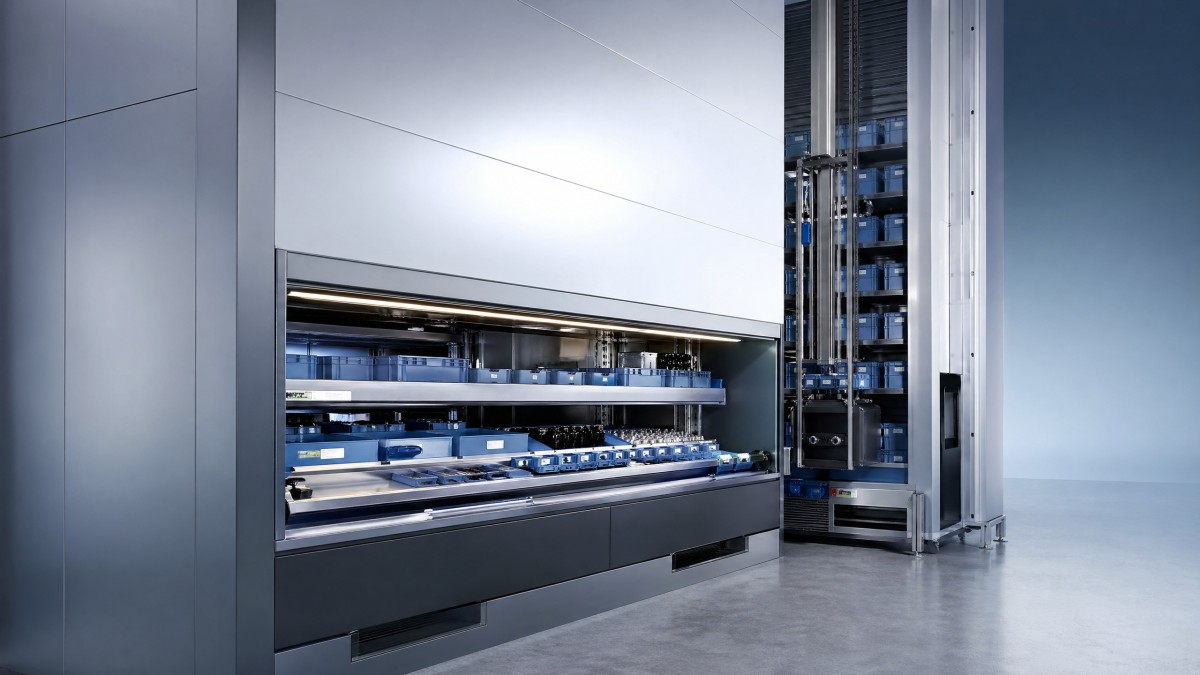
In automated storage equipment, shortlisting should begin only after a manufacturer proves it can support the full operating reality of your site. A vertical carousel manufacturer may look strong on brochure specifications, yet still be a poor fit if response times are slow, controls are difficult to integrate, or spare parts lead times stretch beyond 2–4 weeks. For procurement teams, technical evaluators, and operators, the first filter is not price alone. It is whether the supplier can reduce operational risk across installation, training, maintenance, and future expansion.
A serious candidate usually demonstrates capability in 3 core areas: equipment design, application engineering, and after-sales support. In practice, that means the manufacturer can explain load ranges, tray configurations, throughput expectations, access openings, safety devices, and software communication options without vague language. If the discussion stays limited to machine height and nominal capacity, the evaluation is still too shallow. Automated equipment should be assessed by workflow fit, not by headline dimensions alone.
Another strong signal is how the manufacturer handles application discovery. Good suppliers ask about SKU count, picking frequency, ceiling height, shift pattern, and operator traffic before recommending a model. They also clarify whether your requirement is better served by a vertical carousel system or by a vertical lift module supplier with denser tray-based automation. That willingness to challenge assumptions often indicates engineering maturity rather than aggressive selling.
Shortlisting becomes more justified when the manufacturer can discuss not only standard configurations but also project boundaries. For example, many facilities need load capacities in the range of 200 kg–650 kg per carrier, daily access cycles that vary from low-frequency spare parts storage to repetitive picking over 1–2 shifts, and installation plans adapted to existing floor conditions. A supplier that can frame these variables clearly is more likely to deliver stable results after commissioning.
Early screening questions procurement teams should ask
- Can the manufacturer define typical use cases for warehouse storage, parts buffering, tools management, or document archiving, rather than offering one generic machine pitch?
- What is the normal project timeline for standard and semi-custom systems, such as 4–8 weeks for simple units and longer for integrated installations?
- How are operator training, preventive maintenance, and remote troubleshooting handled during the first 30–90 days after startup?
- Can the supplier explain available safety logic, emergency stops, access control, and routine inspection points in practical terms?
If you are also reviewing a related offer such as 无, treat it as a prompt to compare support depth rather than only machine format. The strongest shortlist is built when a vendor can align storage automation with labor efficiency, operator safety, and system scalability over a 3–5 year planning horizon.
How should buyers compare manufacturers beyond vertical carousel price?
Price matters, but in automated equipment procurement it is rarely the deciding factor by itself. A low initial vertical carousel price can become expensive if the unit has limited software flexibility, weak local service coverage, or proprietary parts with long replenishment cycles. Decision-makers should compare a vertical carousel supplier across total ownership dimensions: purchase cost, installation scope, training effort, maintenance intervals, software adaptability, and expected operating stability over 12–36 months.
It also helps to compare what is included in the quotation. Some manufacturers price only the core machine, while others include commissioning, safety guarding, operator instruction, basic spare kits, and interface preparation. A quote that appears 8%–15% higher may still be the better value if it removes hidden implementation costs. This matters especially for warehouses, maintenance departments, and production support areas where downtime affects multiple functions at once.
The table below gives a practical comparison structure that buyers can use when evaluating a vertical lift module manufacturer or vertical carousel manufacturer during the shortlist phase. It is designed for mixed stakeholders, including engineering, purchasing, operations, and commercial review.
This framework helps separate low-price offers from low-risk offers. In many automated storage projects, the better manufacturer is the one that answers operational questions with measurable assumptions, not the one that simply discounts hardware. For distributors and resellers, the same logic applies because service complexity often becomes their problem after the sale.
Comparison points that should not be skipped
1. Throughput realism
Ask how cycle performance changes when trays are heavily loaded, items vary in height, or picking activity increases during peak periods. A realistic supplier will distinguish between theoretical machine cycle times and practical operator throughput across 1 shift, 2 shifts, or intermittent use.
2. Expansion flexibility
Check whether additional access control, software features, partitions, or location management can be added later. A system that supports phased expansion is often more suitable for growing warehouses and maintenance stores.
3. Support ownership
Clarify whether service is direct, partner-based, or hybrid. In many cases, a response plan within 24–72 hours for non-critical issues and defined spare part channels is more valuable than a nominally low purchase price.
Which technical and application factors matter most in automated storage equipment?
A manufacturer deserves shortlisting when technical claims are matched to application details. In vertical storage automation, key factors usually include load handling, machine height, carrier pitch logic, access opening design, control system usability, and safety arrangements. For technical evaluation teams, these points determine whether the system will perform predictably in warehouse, spare parts, tool crib, healthcare, electronics, or industrial MRO settings.
Start with storage profile. Are you storing lightweight cartons, small components, document boxes, tools, or mixed industrial parts? Typical projects vary widely, from low-density items to heavier components that require stable carrier movement and consistent load distribution. This is why broad claims such as “high capacity” are not enough. You need model-specific discussion around carrier load ranges, available compartmentalization, and access ergonomics for everyday picking.
Then evaluate site conditions. Ceiling height, floor levelness, available power, traffic lanes, and operator access area all shape implementation feasibility. Many facilities also need to confirm whether the equipment will run as a standalone station or connect with barcode workflows and warehouse software. A capable vertical lift module supplier should outline these dependencies in the first 1–2 consultation rounds instead of raising them only after order confirmation.
The next table summarizes common selection factors by use case. It is not a substitute for engineering review, but it helps buyers organize a practical shortlist before requesting final quotations.
This comparison makes one point clear: the right manufacturer is the one that maps machine capabilities to your operating pattern. In automated equipment, application mismatch is a major cause of user dissatisfaction. Even a technically sound unit can underperform if it is chosen without reference to item profile, labor rhythm, and digital workflow.
Technical checklist before you advance a supplier
- Verify whether stated capacities refer to per carrier load, total system load, or recommended working load under routine operation.
- Confirm the number of access points, user interface options, and whether barcode or inventory controls are standard or optional.
- Ask for preventive maintenance intervals, such as monthly user checks and scheduled professional service every 6–12 months depending on use intensity.
- Check whether the supplier can support future adjustments if SKU count grows or item dimensions change over time.
What commercial, service, and compliance issues should decision-makers review?
For commercial reviewers and enterprise decision-makers, shortlist decisions often fail not because of equipment quality, but because project boundaries were not clarified early enough. A reliable vertical carousel supplier should present a structured implementation path covering pre-sale survey, proposal confirmation, installation planning, commissioning, operator training, and after-sales support. In many projects, 4 implementation stages are enough to reveal whether a manufacturer is organized or reactive.
Service capability is especially important in automation equipment because even minor stoppages can affect inventory access, line-side replenishment, or service parts delivery. Ask about remote diagnostics, critical spare part availability, and escalation methods. If the site runs daily operations over multiple shifts, response planning matters more than an attractive base quotation. A vendor that cannot describe service windows or inspection routines is rarely a safe shortlist candidate.
Compliance should also be handled with discipline. Without inventing project-specific certifications, buyers can still ask whether the equipment follows common machinery safety practice, electrical documentation standards, and installation guidance suitable for the destination market. If your internal team requires specific documentation, request it early. This may include manuals, wiring references, preventive maintenance instructions, and risk-related operating notes for operators and maintenance staff.
Commercial clarity also includes future cost visibility. Instead of focusing only on the day-one vertical carousel price, ask for a 12-month view of consumables, expected wear parts, training scope, and optional software or access-control modules. A shortlist becomes much stronger when finance, operations, and engineering all understand the same cost picture.
A practical 4-step review process
- Define the operating case: item sizes, load profile, daily retrieval frequency, shift pattern, and available ceiling height.
- Compare technical fit: machine configuration, safety logic, software options, and maintenance access.
- Audit commercial scope: installation, training, spare parts, lead time, and warranty boundaries.
- Test service credibility: response process, support channels, and availability of documentation for operators and technicians.
Common shortlist mistakes
One mistake is choosing based on storage density alone. Another is assuming a vertical lift module manufacturer and a vertical carousel manufacturer can be compared only by footprint. In reality, access pattern, item variability, software control, and support depth often decide the better fit. A third mistake is leaving training and maintenance planning until after delivery, which increases ramp-up risk during the first 2–6 weeks.
FAQ: what do buyers and operators ask most before shortlisting?
The questions below reflect common search intent from information researchers, users, technical evaluators, procurement teams, distributors, and decision-makers. They also help narrow a shortlist faster by focusing on fit, cost, service, and implementation rather than general marketing language.
How do I know whether a vertical carousel supplier understands my application?
Look at the questions they ask. A knowledgeable supplier will ask about SKU count, access frequency, shift structure, access control needs, and site constraints within the first consultation. If the discussion remains generic after 30–60 minutes, the supplier may be selling equipment categories rather than solving a storage workflow problem.
What is a typical delivery and implementation timeline?
It depends on configuration depth, destination, and integration scope. For standard automated storage equipment, buyers often see lead times in the range of several weeks, while custom integration, software interfacing, or site preparation can extend the project further. The useful question is not only total lead time, but also milestone timing for drawing confirmation, installation, testing, and operator training.
Is the lowest vertical carousel price usually the best buying decision?
Not usually. The lowest quote may exclude commissioning, training, spare parts, or software features required for your operation. Compare total scope over at least 12 months. In many B2B automation projects, a slightly higher initial price results in lower downtime risk and smoother adoption for operators.
When should I compare a vertical carousel manufacturer with a vertical lift module supplier?
Compare them whenever your items, picking pattern, or space goals are not simple. Vertical carousel systems may suit certain repetitive storage and retrieval needs, while vertical lift modules can be more adaptable for mixed-height storage and denser organization. The right supplier should explain where each solution performs better instead of forcing a single answer.
Why choose us when evaluating vertical storage automation options?
If you are building a shortlist, the most useful partner is one that helps you reduce uncertainty before you buy. That means support with parameter confirmation, application matching, budget framing, lead-time planning, and service expectations. Whether you are comparing a vertical carousel supplier for warehouse use or reviewing an option like 无, the priority is to translate operating needs into a practical equipment decision.
We focus on the questions that matter in automated equipment procurement: what load range you need, how many SKUs must be handled, what your picking rhythm looks like, how much floor space can be saved, and what support level is necessary after startup. This is useful for end users, engineering reviewers, commercial teams, and channel partners who need a clearer buying path rather than a generic product pitch.
You can contact us to discuss 6 practical topics: configuration selection, vertical carousel price structure, vertical lift module comparison, estimated delivery window, site requirement review, and training or maintenance planning. If your project includes special operating constraints, we can also help you identify which details should be confirmed before RFQ release so that quotes are easier to compare.
For faster evaluation, share your item dimensions, approximate load range, storage quantity, ceiling height, daily access frequency, and whether software connectivity is needed. With those basics, the shortlist process becomes more accurate, and your team can move from broad market research to a more confident supplier decision.
Contact us